
Antimicrobial Resistance
We explore alternative ways to treat multidrug resistant pathogens.

Infectious Diseases
We investigate complex infections to understand disease causing mechanisms.

Bioinformatics and Computational Biology
We use high-throughput sequencing to unravel novel host-pathogen interactions.
Research Interests




About
Dr. Daniel Pletzer
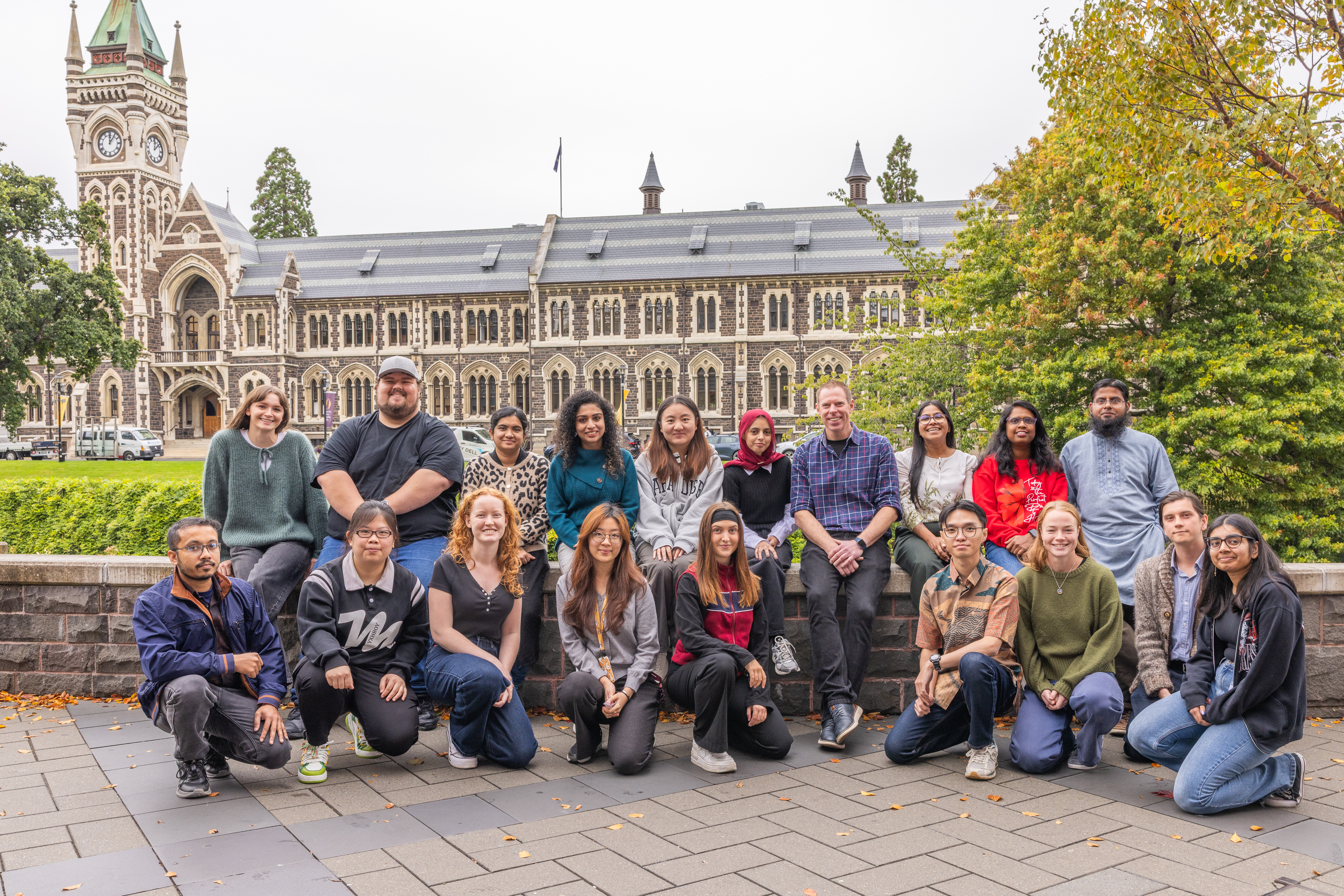
Associate Professor Dr Daniel Pletzer leads a research group in the Department of Microbiology and Immunology at the University of Otago in Ōtepoti/Dunedin, on the South Island of New Zealand.
In 2019, he established the Pletzer Lab to investigate how dangerous bacteria cause disease, evade treatment, and resist antibiotics, with a particular focus on antimicrobial resistance and difficult-to-treat infections.

Opportunities
Be part of the exciting journey to uncover new scientific insights and develop smarter ways to defeat resilient microbial pathogens.
Contact
Daniel Pletzer
(Microbiology & Immunology)
Email: pletzerlab@gmail.com
Phone: +64 3 479 7734