Identifying novel drug targets

Antimicrobial resistance (AMR) is one of the most pressing global health challenges, driven by the rapid adaptation of bacterial pathogens to existing antibiotics and a stagnating discovery pipeline for new drugs. Our research addresses this gap by combining advanced bioinformatics, functional genomics, and physiologically relevant infection models to systematically identify novel, high-value drug targets and therapeutic strategies that are invisible to traditional discovery approaches.

Rather than relying on growth inhibition in artificial laboratory media, our work focuses on understanding how pathogens survive, adapt, and cause disease within the host environment. By interrogating bacterial genomes, transcriptomes, and fitness landscapes under infection-relevant conditions, we uncover conditionally essential genes and pathways that are critical for survival in vivo but dispensable under standard laboratory conditions. These pathways represent a largely untapped reservoir of innovative antimicrobial targets.

From big data to drug targets: Bioinformatics-driven discovery
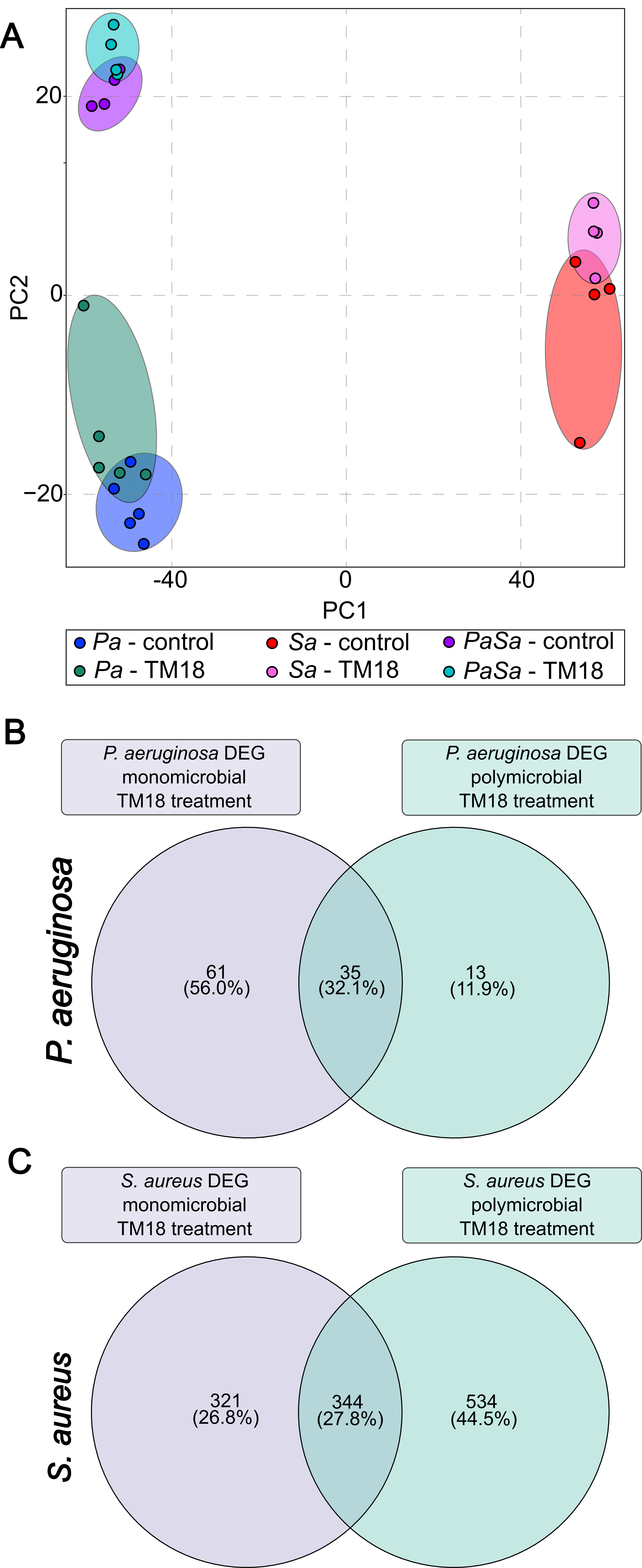

We leverage large-scale genomic and transcriptomic datasets, combined with state-of-the-art computational analysis, to map the genetic determinants of bacterial survival, virulence, and antibiotic resistance. Machine learning and systems-level approaches enable us to integrate diverse data types—including whole-genome sequencing, transposon sequencing (Tn-Seq), RNA-Seq, and phenotypic data—to identify previously unappreciated vulnerabilities in major pathogens such as Pseudomonas aeruginosa.

Functional genomics in host-relevant conditions

A key innovation of our programme is the application of functional genomics under physiologically relevant conditions, including host-mimicking media and murine infection models. Using Tn-Seq, we identify genes that are required specifically for survival in these environments, uncovering pathways involved in nutrient acquisition, stress adaptation, metabolic flexibility, and global regulation.

This strategy has revealed that many genes traditionally overlooked in antibiotic discovery—such as those involved in nucleotide metabolism, vitamin biosynthesis, and global stress responses—are essential for in vivo survival and virulence. Importantly, these pathways are often poorly targeted by existing antibiotics, making them attractive candidates for next-generation therapeutics.

Targeting global regulators and adaptive pathways
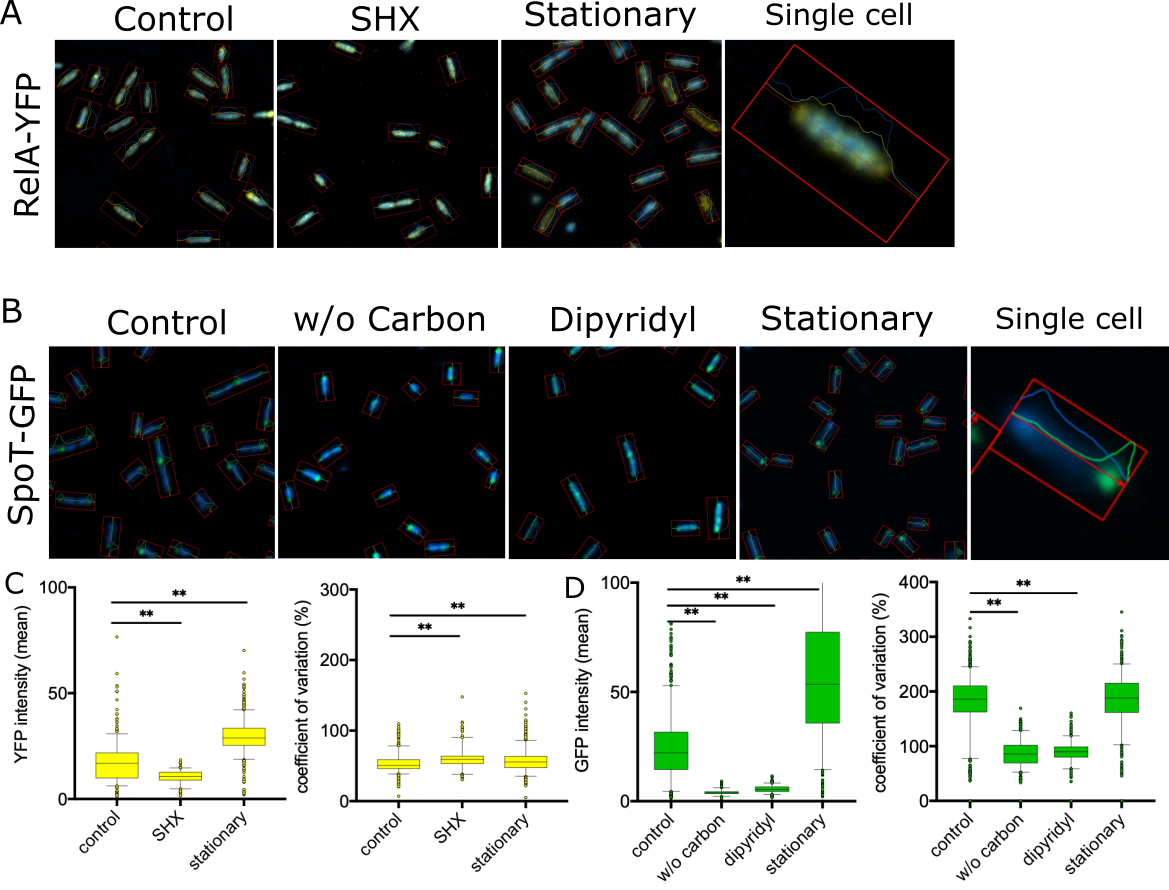

Our work also dissects global regulatory systems, such as the bacterial stringent stress response, that coordinate metabolism, virulence, and antibiotic tolerance. These systems act as central control hubs, allowing bacteria to adapt to hostile host environments and antimicrobial pressure rapidly. Disrupting such regulators can attenuate virulence, sensitise bacteria to existing drugs, and reduce the emergence of resistance, rather than simply killing bacteria outright.

These approaches enable us to:

  • Predict novel resistance mechanisms and resistance-associated genes
  • Identify metabolic and regulatory bottlenecks essential during infection
  • Prioritise drug targets with reduced likelihood of resistance development
  • Accelerate the transition from genomic data to experimentally validated candidates
Antimicrobial resistance and nanomedicines

Chronic and non-healing skin and wound infections represent a major and growing burden on global healthcare systems. These infections are frequently polymicrobial, involving complex communities of bacteria that cooperate, compete, and adapt within the host environment. Standard antibiotics are often ineffective in these settings due to poor penetration, biofilm formation, toxin-mediated tissue damage, and the rapid emergence of antimicrobial resistance (AMR). This project addresses these challenges by developing nanomedicine-based and host-inspired antimicrobial strategies specifically designed for polymicrobial skin and wound infections. We aim to deliver therapies that are not only effective against resistant pathogens but also promote tissue protection, reduce inflammation, and support healing.

Our lab approach recognises that successful treatment of chronic infections requires more than bacterial killing alone. In polymicrobial wounds, pathogens exploit host tissues through coordinated virulence mechanisms while benefiting from protective niches that shield them from antibiotics and immune clearance. We therefore focus on therapies that target both bacterial survival and virulence, while preserving host tissue integrity and limiting the selection of resistance.

Host-inspired anti-virulence approaches for tissue protection


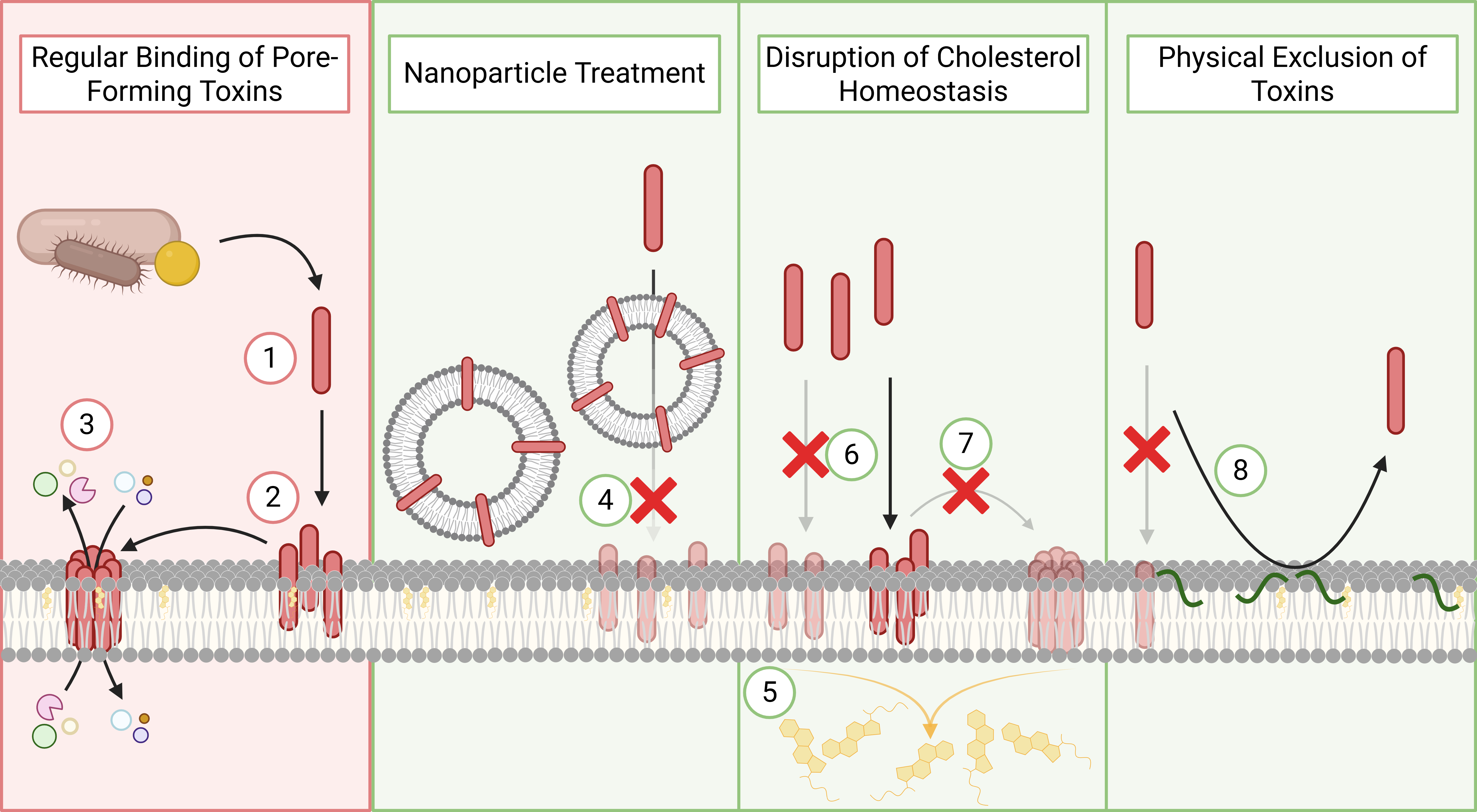
A central component of this project is the development of host-inspired anti-virulence strategies that protect skin and wound tissues from bacterial damage. Many clinically relevant wound pathogens, including Staphylococcus aureus and Pseudomonas aeruginosa, rely on membrane-targeting toxins and secreted virulence factors to disrupt host cells, exacerbate inflammation, and delay healing.

Rather than targeting these pathogens directly with high-dose antibiotics, we design therapies that neutralise bacterial toxins and reinforce host cell membranes, mimicking natural defence mechanisms. By reducing tissue damage and inflammation, these strategies improve the host’s ability to control infection and promote wound healing, while exerting minimal selective pressure for resistance. This makes them particularly well-suited for chronic and recurrent infections where resistance evolution is a persistent risk.

Smart nanomedicines for infection-specific drug activation

To overcome the limitations of systemic antibiotic delivery in complex infections, we develop stimuli-responsive nanomedicines and antimicrobial prodrugs that are activated selectively within infected tissues. Infections create unique microenvironments characterised by bacterial enzymes, altered redox conditions, and metabolic by-products. We exploit these cues to trigger site-specific antibiotic activation, ensuring that potent antimicrobial activity is concentrated at the infection site.

This strategy enables effective treatment of deeply embedded bacteria and biofilms while reducing off-target exposure to healthy tissue and commensal microbiota. By limiting unnecessary antibiotic activity, these systems directly address one of the key drivers of AMR in chronic wound care.

Nanomaterial platforms for polymicrobial infection Control


The project further explores nanomaterial-based platforms that combine antimicrobial delivery with direct interactions at the bacterial–host interface. These materials are engineered to enhance drug penetration into biofilms, disrupt polymicrobial community structure, and synergise with host immune responses.

By tuning nanoparticle size, surface chemistry, and responsiveness, we generate adaptable platforms suitable for topical or local delivery in skin and wound settings. These systems are designed with translational potential in mind, supporting future development into advanced wound dressings, localised therapies, or combination treatments that integrate seamlessly into existing clinical workflows.

Understanding how microbes cause disease

At the Pletzer Lab, we study how microorganisms drive the processes that lead to disease. Our research pays special attention to polymicrobial infections – situations where different microbial species live and interact within the same environment. These interactions can change how infections develop, spread, and respond to treatments.

We explore host–pathogen interactions using a combination of lab-based (in vitro) experiments and animal (in vivo) models. This helps us bridge the gap between controlled conditions and real-world infection complexity. Much of our work focuses on infections in skin wounds and the lungs, which often involve stubborn and treatment-resistant microbial communities.

By uncovering how microbes cooperate, compete, and adapt during infection, our goal is to inform new strategies for preventing and treating infectious diseases more effectively.

The fight against antibiotic resistance and tolerance

Antibiotics have revolutionized medicine, saving countless lives from bacterial infections. However, a major challenge has emerged: bacterial biofilms – highly structured microbial communities wrapped in protective layers. These biofilms play a key role in chronic infections, such as those found in the lungs of people with cystic fibrosis.

Bacteria within biofilms can survive antibiotic concentrations up to 1,000 times higher than those that kill free-floating (planktonic) bacteria. This phenomenon, known as antibiotic tolerance, makes biofilm-associated infections exceptionally hard to treat and represents a growing threat in the fight against antimicrobial resistance.

Currently, there are no effective treatments that specifically target biofilm-associated infections. The problem becomes even more complex when multiple bacterial species form polymicrobial biofilms, interacting within shared environments and altering how infections behave and respond to therapy.

Our research focuses on unraveling the biology of polymicrobial biofilms – how they form, persist, and resist drugs. By understanding these processes, we aim to identify new strategies to disrupt biofilm resilience and develop next-generation antimicrobial treatments.

This work is part of our broader mission to tackle one of modern medicine’s most urgent challenges: overcoming biofilm-driven antibiotic resistance and building a more sustainable future for infection control.

Shaping the future of infection-fighting medicines

We are passionate about finding new ways to stop bacteria that no longer respond to antibiotics. Antimicrobial resistance (AMR) is one of the most urgent health challenges of our time, and we are working to outsmart these resilient pathogens through innovative science and creative thinking.

Our research uses an advanced skin infection model to explore how bacteria form biofilms—protective layers that make infections stubborn and hard to treat. By studying these hidden bacterial survival strategies, we are discovering new ways to break through their defences and make treatments more effective.

One exciting direction in our lab is the development of antibiotic conjugates — redesigned versions of existing drugs that enter bacterial cells more efficiently and are more effective against resistant strains. This approach could pave the way for smarter, stronger therapies that transform how infections are treated.

Investigating the world’s most dangerous bacteria

We study some of the most serious bacterial threats identified by the World Health Organization (WHO)—known as priority pathogens. These include the notorious ESKAPE group (Enterococcus faecium, Staphylococcus aureus, Klebsiella pneumoniae, Acinetobacter baumannii, Pseudomonas aeruginosa, and Enterobacter species), as well as the common but often underestimated Escherichia coli.

These bacteria are major causes of hospital-acquired (nosocomial) infections and foodborne diseases, and are experts at evading antibiotics. By exploring how they grow, interact, and resist treatments, we aim to uncover the hidden mechanisms that make them so difficult to control.

Our research explores the pathogenicity, virulence, and resistance strategies of these pathogens to reveal new therapeutic targets and inspire novel approaches to treating life-threatening infections. Each discovery brings us closer to redefining how we prevent and combat multidrug-resistant bacteria in clinical care and beyond.