Identifying novel drug targets

Antimicrobial resistance (AMR) is one of the most pressing global health challenges, driven by the rapid adaptation of bacterial pathogens to existing antibiotics and a stagnating discovery pipeline for new drugs. Our research addresses this gap by combining advanced bioinformatics, functional genomics, and physiologically relevant infection models to systematically identify novel, high-value drug targets and therapeutic strategies that are invisible to traditional discovery approaches.

Rather than relying on growth inhibition in artificial laboratory media, our work focuses on understanding how pathogens survive, adapt, and cause disease within the host environment. By interrogating bacterial genomes, transcriptomes, and fitness landscapes under infection-relevant conditions, we uncover conditionally essential genes and pathways that are critical for survival in vivo but dispensable under standard laboratory conditions. These pathways represent a largely untapped reservoir of innovative antimicrobial targets.

From big data to drug targets: Bioinformatics-driven discovery
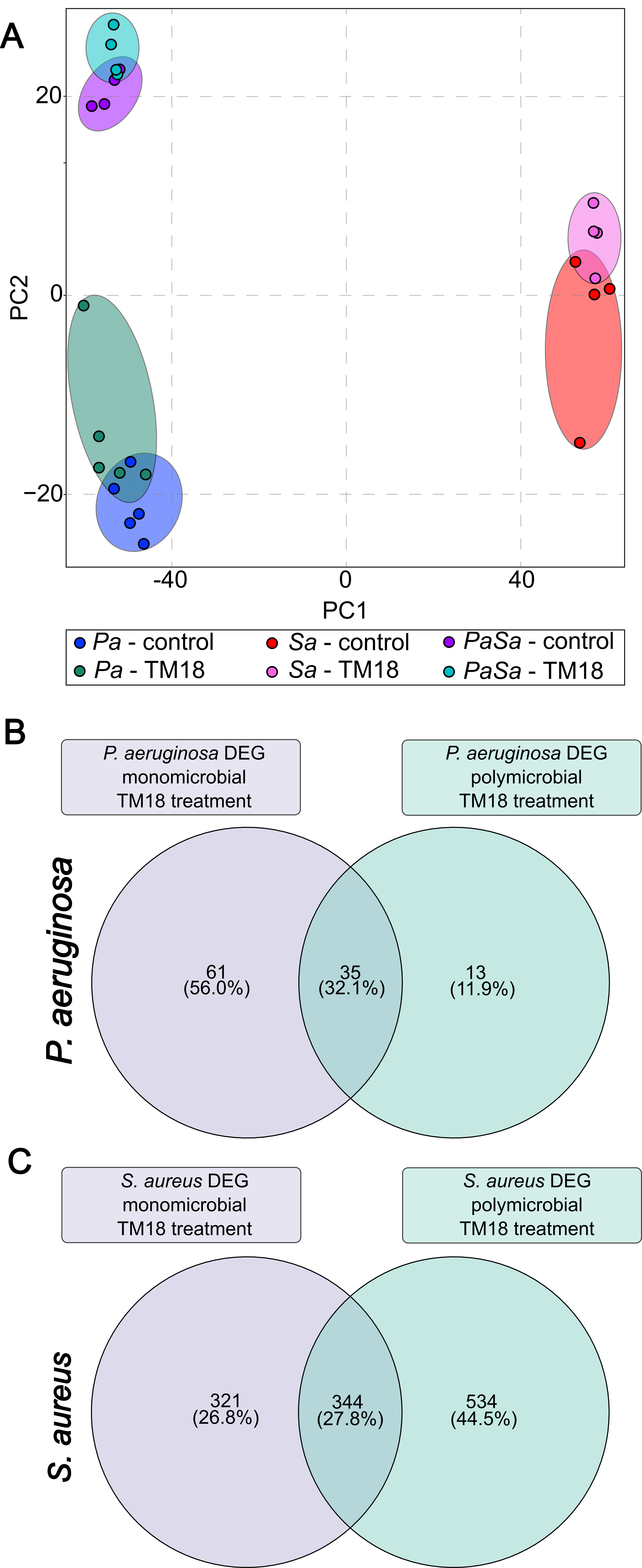

We leverage large-scale genomic and transcriptomic datasets, combined with state-of-the-art computational analysis, to map the genetic determinants of bacterial survival, virulence, and antibiotic resistance. Machine learning and systems-level approaches enable us to integrate diverse data types—including whole-genome sequencing, transposon sequencing (Tn-Seq), RNA-Seq, and phenotypic data—to identify previously unappreciated vulnerabilities in major pathogens such as Pseudomonas aeruginosa.

Functional genomics in host-relevant conditions

A key innovation of our programme is the application of functional genomics under physiologically relevant conditions, including host-mimicking media and murine infection models. Using Tn-Seq, we identify genes that are required specifically for survival in these environments, uncovering pathways involved in nutrient acquisition, stress adaptation, metabolic flexibility, and global regulation.

This strategy has revealed that many genes traditionally overlooked in antibiotic discovery—such as those involved in nucleotide metabolism, vitamin biosynthesis, and global stress responses—are essential for in vivo survival and virulence. Importantly, these pathways are often poorly targeted by existing antibiotics, making them attractive candidates for next-generation therapeutics.

Targeting global regulators and adaptive pathways
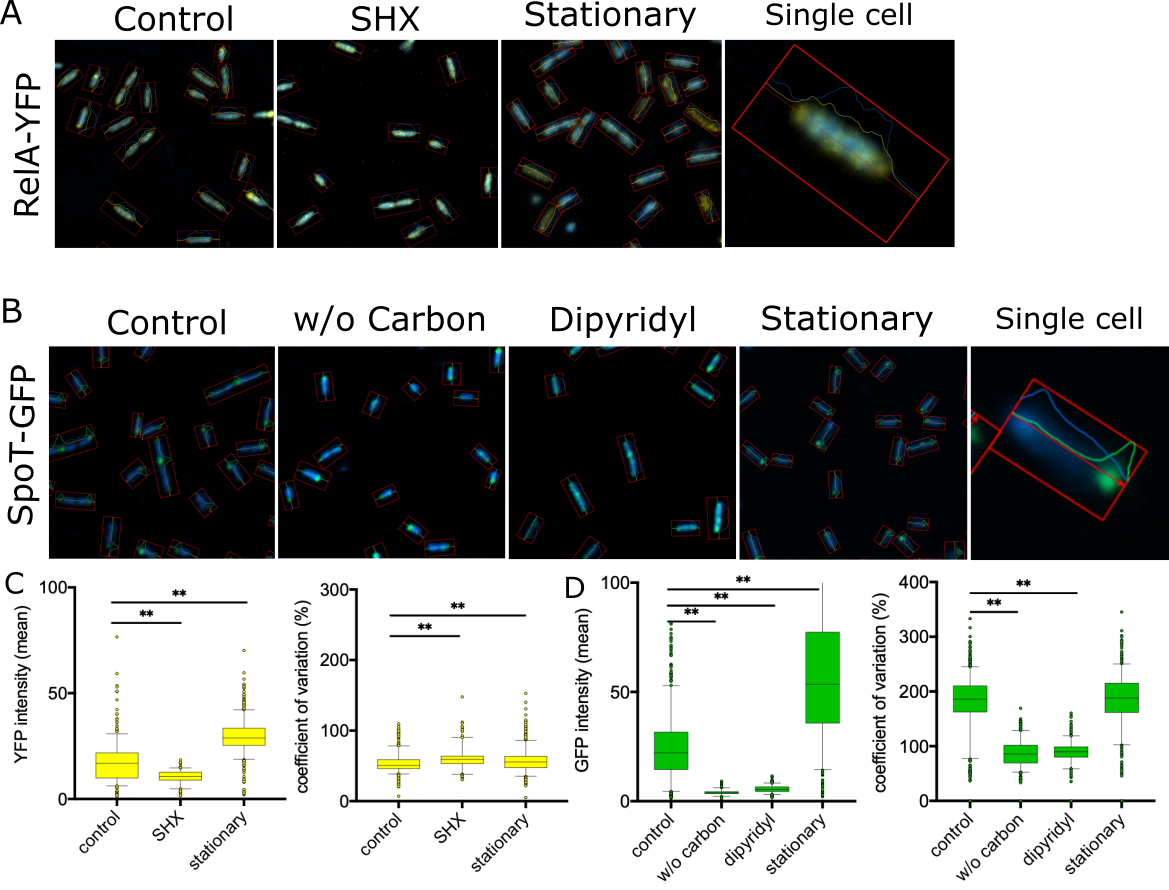

Our work also dissects global regulatory systems, such as the bacterial stringent stress response, that coordinate metabolism, virulence, and antibiotic tolerance. These systems act as central control hubs, allowing bacteria to adapt to hostile host environments and antimicrobial pressure rapidly. Disrupting such regulators can attenuate virulence, sensitise bacteria to existing drugs, and reduce the emergence of resistance, rather than simply killing bacteria outright.

These approaches enable us to:

  • Predict novel resistance mechanisms and resistance-associated genes
  • Identify metabolic and regulatory bottlenecks essential during infection
  • Prioritise drug targets with reduced likelihood of resistance development
  • Accelerate the transition from genomic data to experimentally validated candidates
Antimicrobial resistance and nanomedicines

Chronic and non-healing skin and wound infections represent a major and growing burden on global healthcare systems. These infections are frequently polymicrobial, involving complex communities of bacteria that cooperate, compete, and adapt within the host environment. Standard antibiotics are often ineffective in these settings due to poor penetration, biofilm formation, toxin-mediated tissue damage, and the rapid emergence of antimicrobial resistance (AMR). This project addresses these challenges by developing nanomedicine-based and host-inspired antimicrobial strategies specifically designed for polymicrobial skin and wound infections. We aim to deliver therapies that are not only effective against resistant pathogens but also promote tissue protection, reduce inflammation, and support healing.

Our lab approach recognises that successful treatment of chronic infections requires more than bacterial killing alone. In polymicrobial wounds, pathogens exploit host tissues through coordinated virulence mechanisms while benefiting from protective niches that shield them from antibiotics and immune clearance. We therefore focus on therapies that target both bacterial survival and virulence, while preserving host tissue integrity and limiting the selection of resistance.

Host-inspired anti-virulence approaches for tissue protection


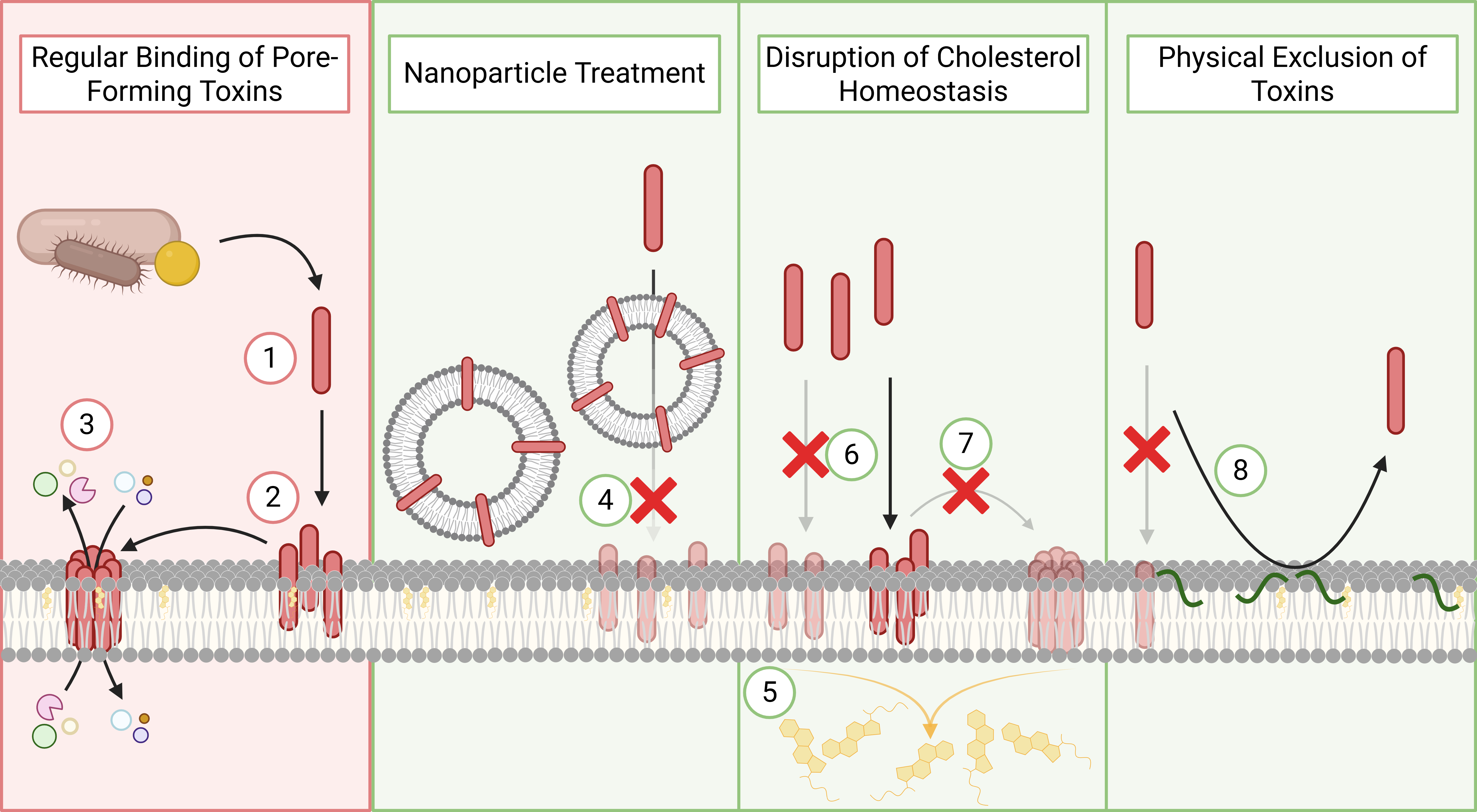
A central component of this project is the development of host-inspired anti-virulence strategies that protect skin and wound tissues from bacterial damage. Many clinically relevant wound pathogens, including Staphylococcus aureus and Pseudomonas aeruginosa, rely on membrane-targeting toxins and secreted virulence factors to disrupt host cells, exacerbate inflammation, and delay healing.

Rather than targeting these pathogens directly with high-dose antibiotics, we design therapies that neutralise bacterial toxins and reinforce host cell membranes, mimicking natural defence mechanisms. By reducing tissue damage and inflammation, these strategies improve the host’s ability to control infection and promote wound healing, while exerting minimal selective pressure for resistance. This makes them particularly well-suited for chronic and recurrent infections where resistance evolution is a persistent risk.

Smart nanomedicines for infection-specific drug activation

To overcome the limitations of systemic antibiotic delivery in complex infections, we develop stimuli-responsive nanomedicines and antimicrobial prodrugs that are activated selectively within infected tissues. Infections create unique microenvironments characterised by bacterial enzymes, altered redox conditions, and metabolic by-products. We exploit these cues to trigger site-specific antibiotic activation, ensuring that potent antimicrobial activity is concentrated at the infection site.

This strategy enables effective treatment of deeply embedded bacteria and biofilms while reducing off-target exposure to healthy tissue and commensal microbiota. By limiting unnecessary antibiotic activity, these systems directly address one of the key drivers of AMR in chronic wound care.

Nanomaterial platforms for polymicrobial infection Control


The project further explores nanomaterial-based platforms that combine antimicrobial delivery with direct interactions at the bacterial–host interface. These materials are engineered to enhance drug penetration into biofilms, disrupt polymicrobial community structure, and synergise with host immune responses.

By tuning nanoparticle size, surface chemistry, and responsiveness, we generate adaptable platforms suitable for topical or local delivery in skin and wound settings. These systems are designed with translational potential in mind, supporting future development into advanced wound dressings, localised therapies, or combination treatments that integrate seamlessly into existing clinical workflows.

Infectious Diseases

Polymicrobial disease: Redefining how infections are understood and treated

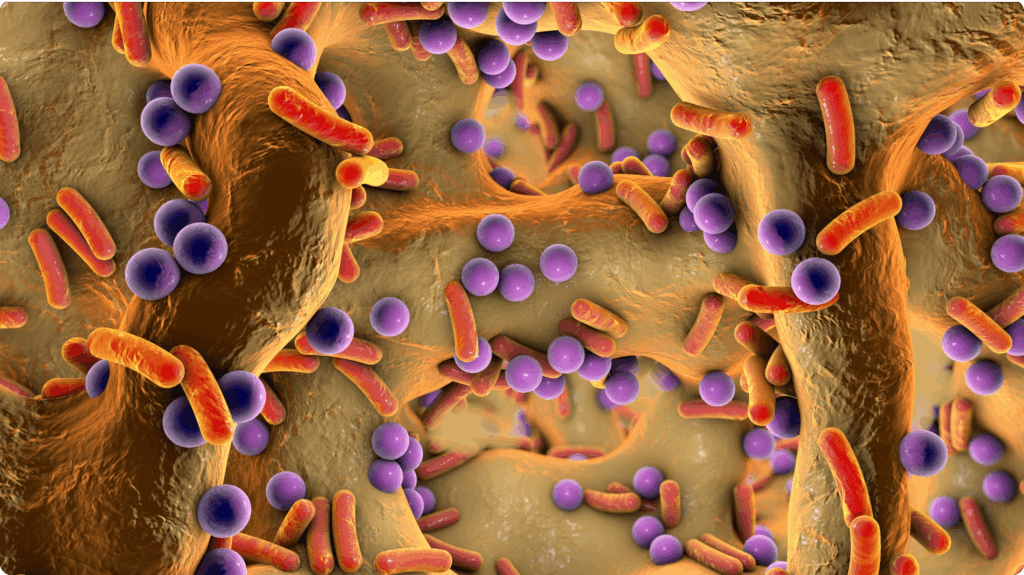
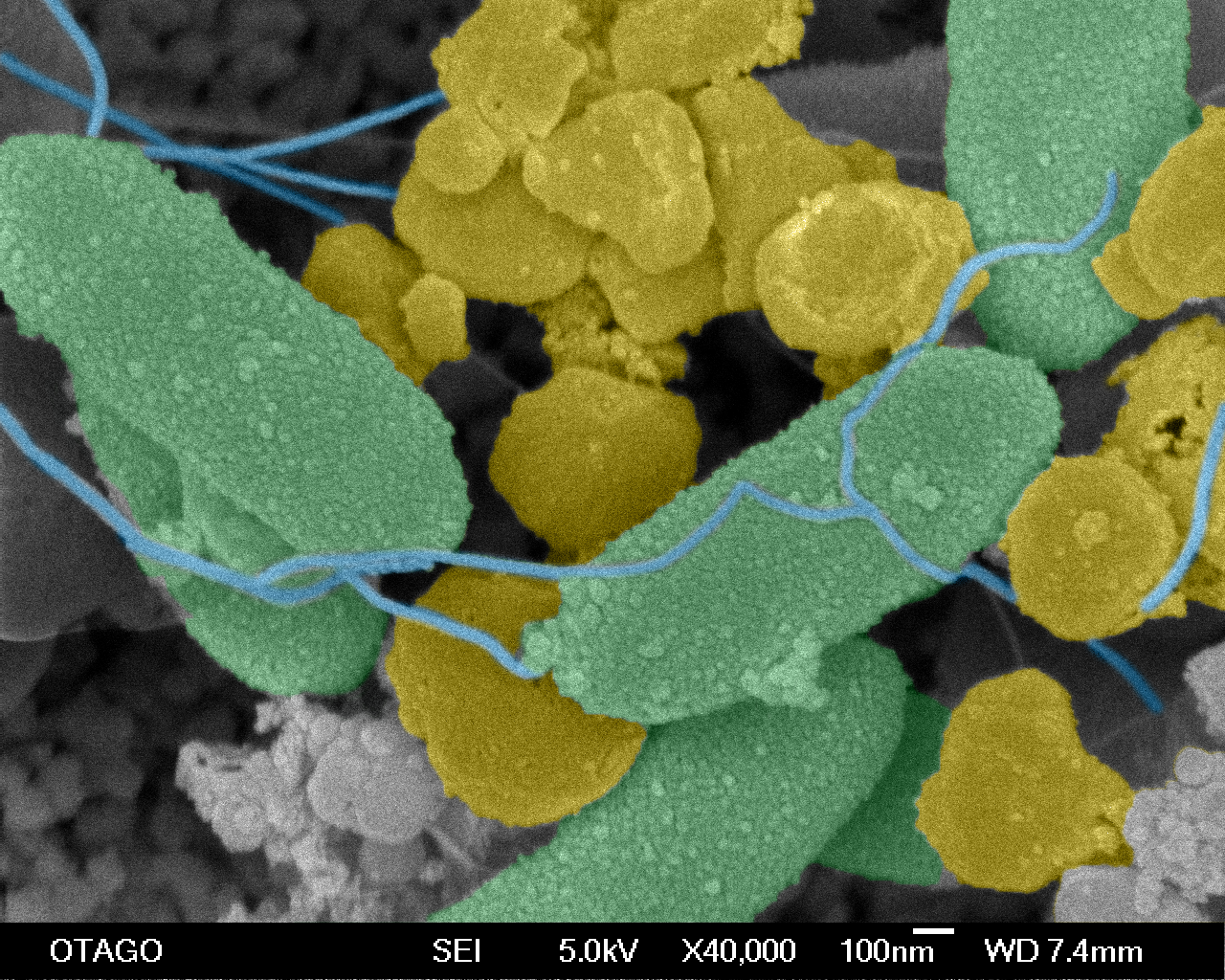
Many of the most persistent and clinically challenging infections are not caused by a single pathogen, but by complex communities of microorganisms that coexist, interact, and adapt within the host. These polymicrobial infections underpin chronic wounds, respiratory disease, otitis media, sinusitis, and device-associated infections, and they are a major driver of antimicrobial treatment failure worldwide. Despite this reality, most current therapies, diagnostics, and regulatory frameworks remain built around a single-pathogen view of disease. This mismatch between biological complexity and clinical practice has contributed directly to recurrent infections, prolonged inflammation, and the accelerating global crisis of antimicrobial resistance.

Research over the past decade has made it increasingly clear that pathogens behave very differently in polymicrobial communities than they do in isolation. Interactions between microbes can profoundly alter virulence, metabolism, and antibiotic susceptibility, often enabling pathogens to persist despite aggressive treatment. Within these communities, bacteria communicate, share resources, compete for space, and exploit host immune responses in ways that cannot be predicted from monoculture studies. As a result, antibiotics that perform well in standard laboratory assays frequently fail when applied to real-world infections, where biofilms, spatial organisation, and host-derived stresses dominate microbial behaviour.

This arm of our research directly addresses this gap by placing polymicrobial interactions at the centre of infection biology and therapeutic development. Rather than simplifying infections to single organisms, it embraces biological complexity as a source of insight and opportunity. By developing and applying clinically relevant polymicrobial infection models, the project captures the emergent properties of microbial communities that drive chronicity, tolerance, and treatment failure. These models allow for the integrated, biologically meaningful study of infection dynamics, host responses, and therapeutic outcomes.

A central aim of the project is to uncover the mechanisms that govern microbial cooperation and competition during co-infection. When pathogens coexist, they frequently activate pathways that are dispensable in isolation but essential for survival in a shared environment. Identifying these conditionally important processes creates entirely new opportunities for intervention. By combining advanced genetic approaches with realistic infection models, the project reveals vulnerabilities that emerge only in polymicrobial settings—targets invisible to traditional drug discovery pipelines.

The project also provides a rigorous framework for evaluating antimicrobial therapies under conditions that reflect clinical reality. Antimicrobials, drug combinations, and biomaterial-based delivery systems are tested against polymicrobial infections rather than simplified monocultures, ensuring that efficacy is assessed in the context where failure most often occurs. This approach improves translational relevance and reduces the risk that promising therapies will fail late in development due to unanticipated community-level effects.

Beyond its scientific contributions, the project has broad implications for healthcare and public health. Improving our ability to predict treatment outcomes in complex infections supports more effective and durable therapies, reduces recurrence, and limits the selective pressures that drive antimicrobial resistance. The knowledge generated will inform clinical decision-making, guide future therapeutic development, and contribute to more equitable health outcomes for populations disproportionately affected by chronic infectious disease.

Ultimately, this project challenges a long-standing assumption in infectious disease research—that pathogens can be understood, targeted, and eradicated in isolation. It demonstrates that infections are ecological systems, shaped by microbial interactions and host responses, and that successful treatment must account for this complexity. By redefining how infections are studied and treated, the project lays the groundwork for a new generation of antimicrobial strategies designed for the realities of polymicrobial disease.

Further reading

  • Wardell SJT, Yung DBY, Nielsen JE, Lamichhane R, Sørensen K, Molchanova N, Herlan C, Lin JS, Bräse S, Wise LM, Barron AE, Pletzer D. A biofilm-targeting lipo-peptoid to treat Pseudomonas aeruginosa and Staphylococcus aureus co-infections. Biofilm. 2025 Mar 12;9:100272. doi: 10.1016/j.bioflm.2025.100272.
  • Wardell SJT, Yung DBY, Gupta A, Bostina M, Overhage J, Hancock REW, Pletzer D. DJK-5, an anti-biofilm peptide, increases Staphylococcus aureus sensitivity to colistin killing in co-biofilms with Pseudomonas aeruginosa. NPJ Biofilms Microbiomes. 2025 Jan 8;11(1):8. doi: 10.1038/s41522-024-00637-y .
  • Yung DBY, Sircombe KJ, Pletzer D. Friends or enemies? The complicated relationship between Pseudomonas aeruginosa and Staphylococcus aureus. Mol Microbiol. 2021 Jul;116(1):1-15. doi: 10.1111/mmi.14699.