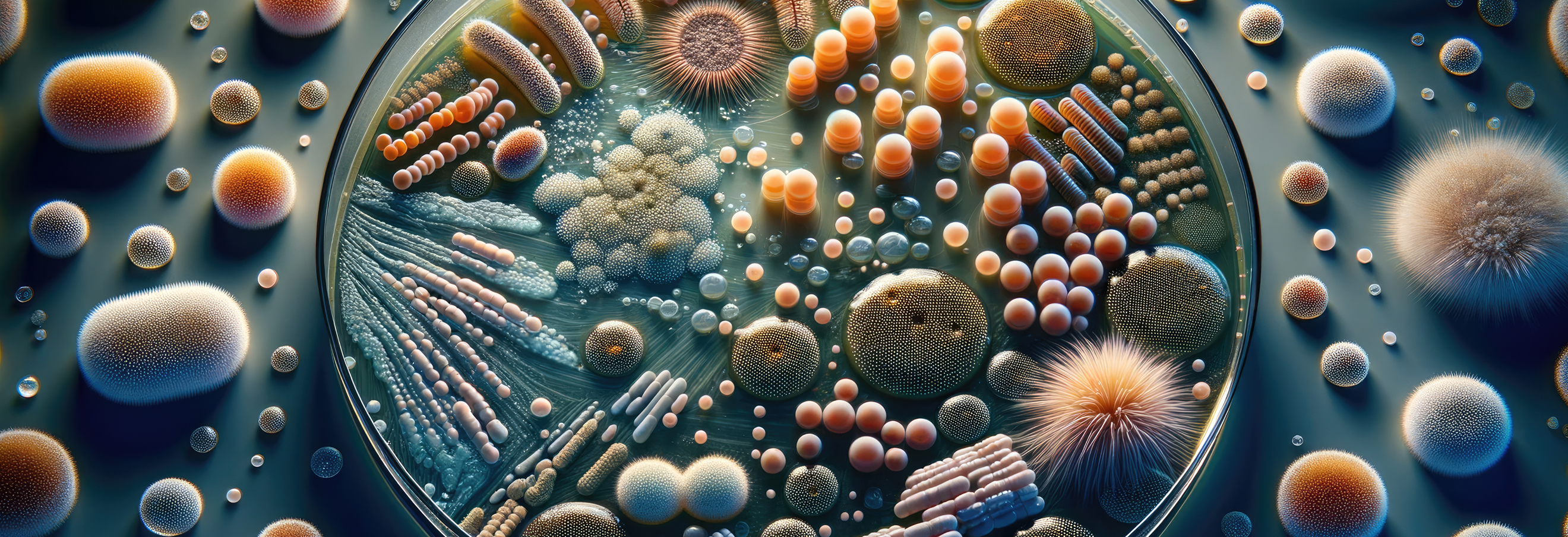
We study some of the most serious bacterial threats identified by the World Health Organization (WHO)—known as priority pathogens. These include the notorious ESKAPE group (Enterococcus faecium, Staphylococcus aureus, Klebsiella pneumoniae, Acinetobacter baumannii, Pseudomonas aeruginosa, and Enterobacter species), as well as the common but often underestimated Escherichia coli.
These bacteria are major causes of hospital-acquired (nosocomial) infections and foodborne diseases, and are experts at evading antibiotics. By exploring how they grow, interact, and resist treatments, we aim to uncover the hidden mechanisms that make them so difficult to control.
Our research explores the pathogenicity, virulence, and resistance strategies of these pathogens to reveal new therapeutic targets and inspire novel approaches to treating life-threatening infections. Each discovery brings us closer to redefining how we prevent and combat multidrug-resistant bacteria in clinical care and beyond.